



Why a Great Title Matters (And What AI Can Help You Draft)
The Power of a Title—And Why They're Challenging to Create
A title influences not only whether someone reads a piece, but also what they expect to find. It frames the subject and establishes the tone before the opening line has a chance to do either job.
For online work, the wording also appears beside competing results. A small improvement in clarity can make a meaningful difference to whether a reader understands the value of a page or video.
Book subtitles serve a related purpose: they supply context that a short main title may not have room to convey. A reader can more easily decide whether the subject is for them.
Writing an effective title asks you to consider more than a clever turn of phrase. It calls for:
- Awareness of how and where your audience will encounter the title
- A sound understanding of the reader or viewer you want to reach
- Relevant search terms, when discoverability matters
- A balance between clarity and originality
- Natural language that still fits the constraints of its format
A blog headline that sets the wrong expectation may attract the wrong readers or fail to attract the right ones. A video title faces the same problem when its promise and the video itself do not match.
Online headlines can often be revised later. A published book title is much harder to revisit, which makes it especially useful to compare possible directions before committing to one.
The right choice should not have to depend on luck alone.
How AI Uses Billions of Data Points to Craft Winning Titles
Language models learn patterns from large bodies of text. Those patterns can help suggest different structures, word choices and angles for a title, whether the subject is an article, a book or a video.
They can also offer a fresh way to phrase an idea you already understand. Their suggestions still need a human check: a fluent headline is not automatically accurate, useful or right for your audience.
Comparing several options makes it easier to notice which words communicate the central idea most clearly.
You need not be a professional copywriter to start. Knowing your subject, the intended reader and the tone you want gives you a stronger prompt—and a better basis for judging any suggestion.
Evaluating SEO Article Title Ideas
It is easier to evaluate possible titles when you already know the subject. If you are not sure where to begin, describe what you have made, whom it is for and what makes it distinctive.
A simple starting point can lead to a more focused title.

Start with the material you have. A working title, a product description or a short account of your project can all help you identify the central promise your final wording should make.
Different formats call for different kinds of title:
- Blogs and articles
- YouTube videos
- Books
- Slogans
- All-purpose titles for other work
Save Great Titles for Later Use
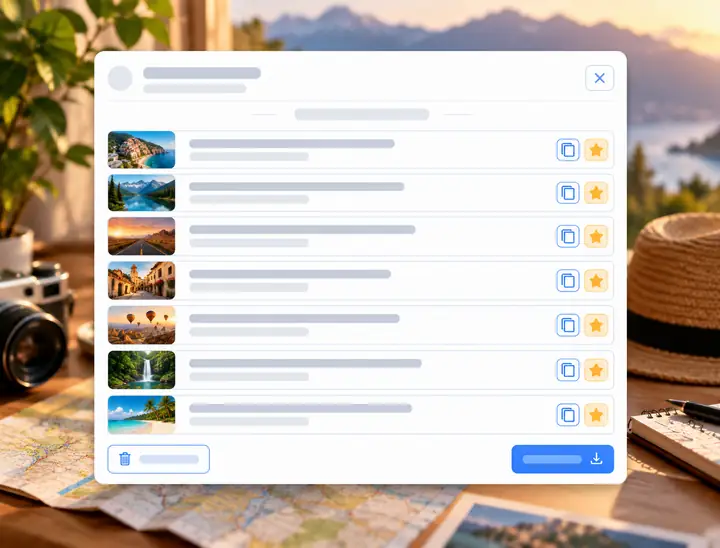
When a phrase catches your attention, write it down before moving to the next possibility. Keeping a shortlist lets you continue brainstorming without losing an option that may look even better after you have compared the rest.
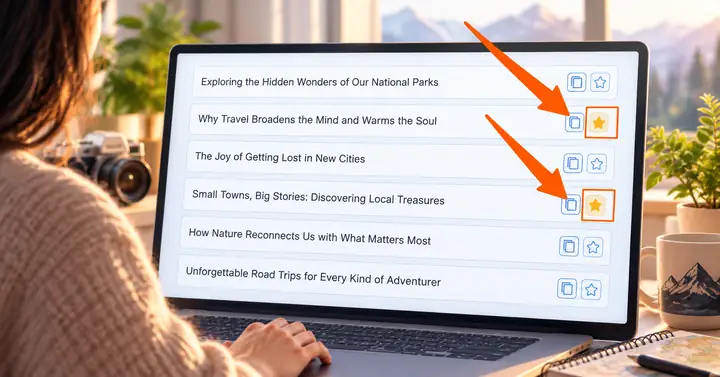
A saved list is also useful for revisiting your choices with fresh eyes. Remove options that no longer fit, then keep a copy of the strongest wording for your own notes.
Multilingual Title Writing
Titles do not always carry the same rhythm or associations from one language to another. If you write for readers in more than one language, review each version on its own terms rather than relying on a literal translation.
State the language you need in your prompt, along with the audience and the intended tone.
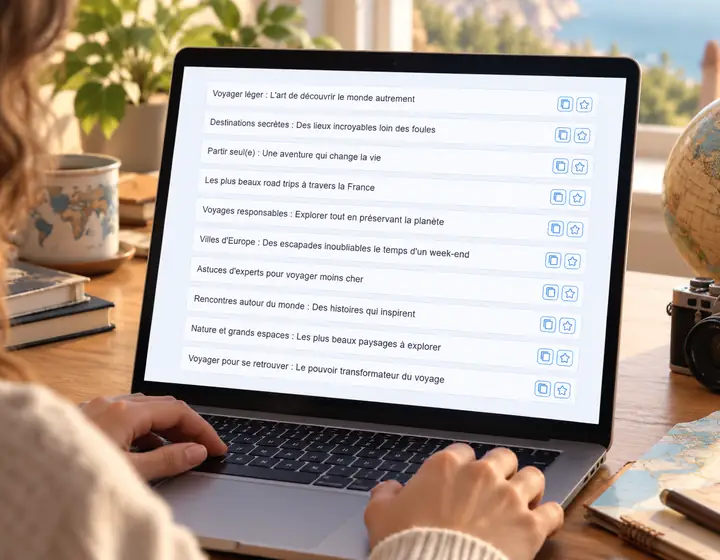

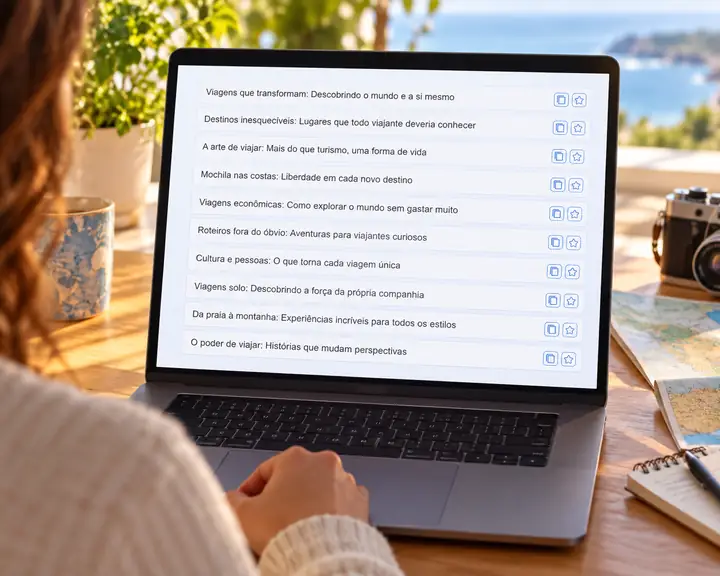
Here is how to approach the different types of title shown above.
Headlines That Drive Clicks: Blog & Article Titles
Why they matter: An article title tells readers and search engines what a page is about. Specific wording makes it easier for someone to recognize that the article answers the question they have in mind.
Relevant terms help, but the whole headline still needs to read naturally and match the content on the page.
How to approach blog and article titles:
Begin with a working headline or a short summary of the article.

You can describe what you have written, identify its main takeaway and note the people you hope will read it. Those details give a title direction without forcing it into a formula.
Compare the options against the actual article. If one gets the tone right but misses the point, keep the useful part and refine the rest.
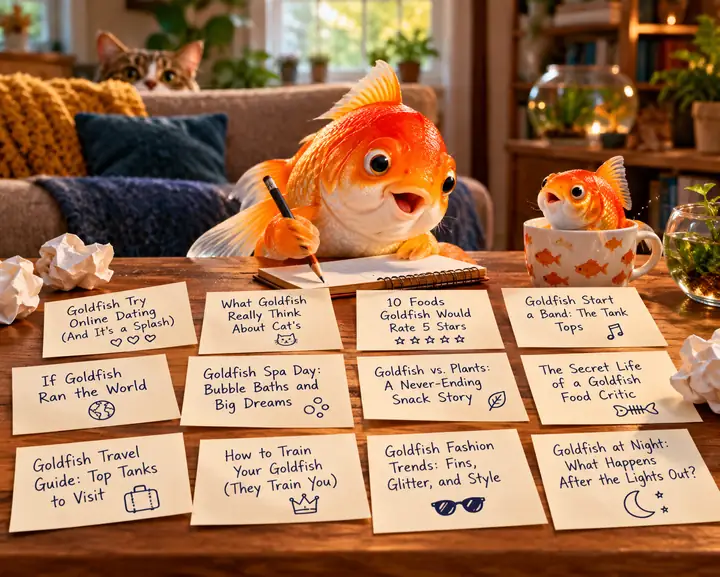
For instance, a light-hearted article about goldfish might invite several different angles:
Titles That Get Views: YouTube & Video Content
Why they matter: A video title helps viewers understand what they will see, while its thumbnail gives a visual cue. The two should support the same expectation rather than make competing promises.
Choose words that are easy to grasp quickly and specific enough to distinguish your video.
How to approach YouTube video titles:
Start with two pieces of information:
- A few keywords describing the topic or mood
- A plain-language account of what happens in the video
Imagine a video about spending a day in a homemade pillow fort:
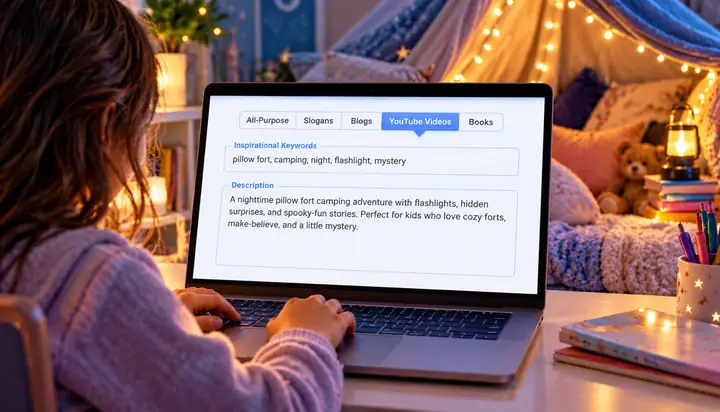
If an early title is close but not quite right, describe precisely what you would change: perhaps it should be shorter, more playful or more explicit about the activity.
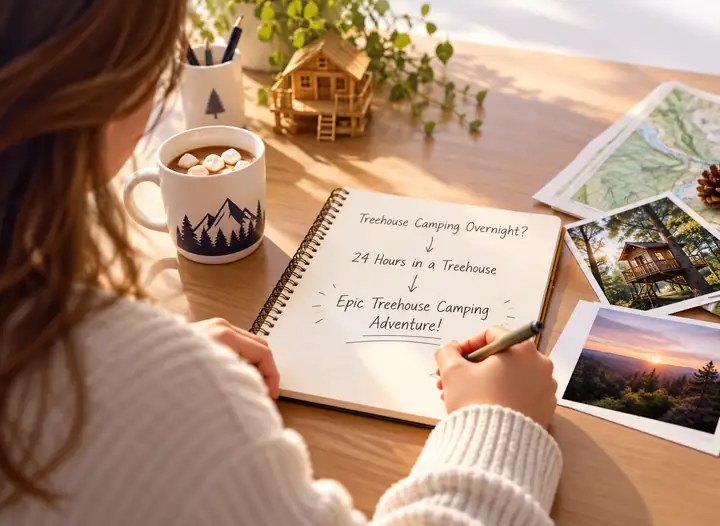
Memorable Book Titles That Stick
Why they matter: A book title gives an immediate clue about the kind of reading experience on offer. Its tone and subject can help readers decide whether to pick up the book and learn more.
A distinctive title invites curiosity, while a subtitle can make the subject clearer when the main title is brief.
How to approach book titles:
Describe the story, central question or subject first. For fiction, characters, setting and conflict may be helpful; for nonfiction, consider the reader's goal and the book's main idea.

Slogans for Brands and Campaigns
Why they matter: A slogan compresses a brand idea into a short phrase. It should suggest what the brand stands for without asking the reader to decode it.
Repeated wording can become familiar over time, which makes both clarity and accuracy particularly important.
A phrase that is vague or out of step with its audience can obscure the message instead.
How to approach an on-brand slogan:

Describe the product, its distinguishing qualities and the feeling you want to convey. Include a brand name only if it belongs naturally in the finished phrase.
Titles for Everything Else: Essays, Projects, Presentations
Why they matter: A presentation or project title is often the first information its audience receives. If it is too broad—or suggests a different subject—the rest of the work has to correct that first impression.
First impressions last.
Clear wording also helps people find and recognize work in a list, archive or online database.
A precise title signals a focused idea. An overly broad one can make thoughtful work seem less settled than it really is.
It is a small part of the work with an outsized role in introducing it.
How to approach an all-purpose title:
Write a sentence explaining your topic and its particular angle. A draft title, a short description or an excerpt can help you decide what should come first.

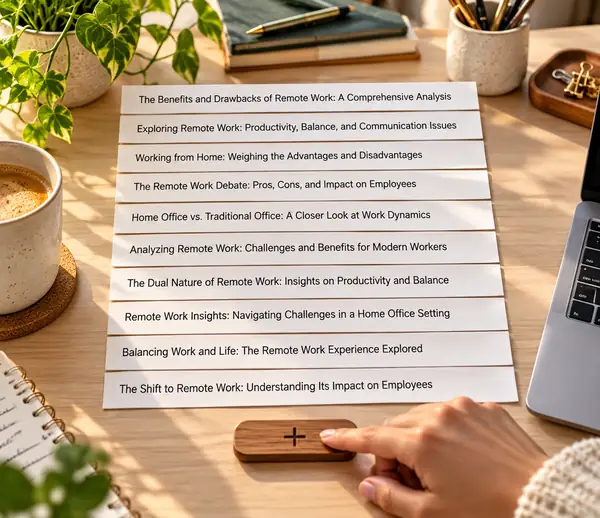
When a few options seem promising, ask for another direction in your notes: more direct, more formal or more closely tied to one central point.
Getting the Most Out of Titlegenerator
Treat title exploration as a creative exercise. A practical workflow is:
- Write down the idea or summarize the work
- Consider several title directions
- Keep the ones that accurately represent it
- Refine your description and tone
- Compare the new wording with your shortlist
- Save the final choice in your own working notes
Try different levels of detail for more variety. If a few phrases feel close, identify what they have in common before exploring another version.
Turning Ideas Into Instant Titles With Titlegenerator
Titles matter across articles, videos, books and other work. They influence first impressions and help people understand what they are about to read or watch.
Start with your subject, consider the audience, compare possible wording and refine the strongest option until it accurately introduces the work.
You need not have a finished piece to begin thinking about its title. A few clear ideas can be enough to discover a useful direction.
When you are ready to continue, bring your prompt with you.
Open SupaTraffic for article SEO